Tuesday, 22 October 2013

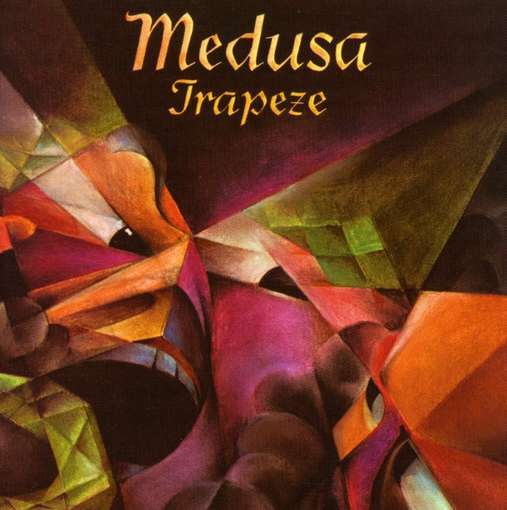
Trapeze; Medusa Review


   Trapeze is a band that have been relatively ignored in the classic rock lexicon. Known more for being Glen Hughes’ pre-Deep Purple band than anything else, very few seem to sing the praises of this West Midlands band. But for those who explore this short-lived band, you will lots to love about their soulful brand of English hard rock. Let’s take a look at what is arguably their most beloved album.

    “Black Cloud” is one of the band’s better known tracks. Immediately apparent is comparisons to Humble Pie and Steve Marriott. While this is certainly true to an extent, I find Hughes’ vocals to be a little smoother, more innocent and less weathered than the often gruff Marriott. In any case, “Black Cloud” is a great song, and much more uplifting than the title sounds. Trapeze were down to a trio at this point after two members left after their debut album earlier in 1970. One would think that this is a bad thing, but Trapeze cut out all the filler and provide a very clean guitar, drum, and bass sound. “Jury” starts off with a gentle acoustic guitar introduction with Hughes’ magnificent and angelic vocals accompanying the acoustic. The song then kicks into a Judas Priest-like riff that was certainly incredibly heavy upon its 1970 release. Hughes’ bass work is great on the track, proving again that is certainly one of the most underrated bassists in rock history, very bouncy and funky. A killer riff kicks in half-way through the song, and the influence the band had on Priest is immediately apparent, the song sounds like it could be off “Sad Wings of Destiny” or various other early Priest albums. A great track, you can actually hear Hughes’ voice go out at one point.

  “Your Love is Alright” takes us back into funk/r and b territory. A funk-rock guitar and bass riff provides the backbone to the song, and what an infectious riff it is. My favorite part of the song is drummer Dave Holland, who provides a great deal of suspension and tension throughout the song, not really kicking in the drums until half-way through the song. Holland would actually go on and play with Judas Priest during the late 1970s and early 1980s. Sadly departed guitarist/singer Mel Galley also proves to be a great guitarist, providing slinky riffs throughout the track. A good song. “Touch My Life” deals with Hughes’ favorite topic, burning desire for a member of the fairer sex. A bluesy riff repeats all through the track, very Humble Pie-esque. I find the riff a little repetitive, and wish the song had a little more to it. Not one of my favorite tracks, despite very strong vocals.

   “Seafull” brings us back into progressive rock territory. Gentle guitar chords are accompanied by soft and jazzy drums and stellar vocals that remind of contemporaries King Crimson. But the song diverges into blues-territory, showing that the bad often effortlessly merged blues, progressive rock, metal, and soul/r and b. Hughes has sang in a diverse range of bands, and has proved to be a great front man at whatever genre he has attempted. Despite being a little too long, I really enjoy Seafull, a great chill-out song to lay back to and take a load off (you know what I’m talking about…). “Makes You Wanna Cry” reminds me of the direction that Hughes would take with Deep Purple when he joined in 1973. Another funky tune, the song has a great groove, but could certainly benefit from a rhythm guitar player. The dual vocals of Hughes and Galley sound very good, but not as magical as the Hughes/Coverdale combo that would produce the classic MK. III Purple albums. I like the short guitar interlude/solo that happens before the song kicks back in, you think the song is over, then….boom…the riffs get heavier. A pretty good track, the mot Purple-like on the album.

    The album closes with the title track. “Medusa” is another progressive/acoustic-tinged song at first. But the song again heads into a heavy blues-rock riff after about a minute. Hughes sounds amazing, probably his best vocal on the album. Great drumming and a smoking riff round out a great track. The solo is quite good also, and Galley is certainly underrated as well as the rest of the band, a very great talent who unfortunately met his end from cancer in 2008. A great track to close a great album.
“Medusa” is a great album. If you can find a copy (ebay prices are getting higher), you owe it to yourself to pick up this lost classic. Sadly, Hughes would leave the band just a few short years after this album. The band did produce studio material throughout the 1970s, but it was certainly not of the same caliber without the mighty Hughes on the mic. A very underrated gem of an album.

Rating-9/10

Scorpions-Lonesome Crow

    Lonesome Crow was released in 1972 and is the first studio album by the German metal megastars. Often overlooked in favour of later studio efforts, the album is certainly a curiosity in the band's long discography. Let's see if Lonesome Crow is a lost classic or better left in the dustbin of musical history.

   The album begins with the psychedelic "I'm Goin' Mad". Immediately striking is the lead guitar of soon-to-be UFO hotshot Michael Schenker. Schenker delivers some blistering leads, especially amazing given the fact that Schenker was about 16 years old during the recording of the album. The song consists mostly of chanting and shouting over a jazzy bass/drum rhythm and leads from Schenker. An interesting sonic experiment, but very different from the sound that the Scorpions would forge later in the decade. "It All Depends" is another late-60's-tinged tune, sounding very much like Cream as well as other late 1960's British blues/psych acts. A very "jammy" song, the lyrics and singing are pretty sparse compared to the very lengthy jam sections of the song. Not a bad song, but far too scattered and jam-like to be considered a song proper.

  The album continues with "Leave Me". The raw vocal power of Klaus Meine becomes immediately apparent, a voice that can bellow like almost no other. Former bassist Lothar Heimberg delivers some pretty bouncy bass-lines as well, a very underrated talent on the four-string. Schenker is of course a highlight, and his leads will certainly please any fan of hard rock on this track. "In Search of the Peace of Mind" is an interesting track. It begins with a mellow acoustic introduction, accompanied by Heimberg's complex and rubbery bass. Meine sings a delicate psychedelic melody over the instruments, before Schenker's leads puncture the track. The song sounds like a bit of a cacophony, as each instrument seems to be vying for the control of the track in terms of loudness. Not a huge fan of the production on the track, but a decent song. The outro section of the song is quite trippy though, a nice highlight and a heavy closer to a pretty mellow song.

   "Inheritance" is a fairly spaced-out track, like the rest of the album. The bass work is incredible, very intricate and slippery. Thundering drums remind of Black Sabbath, and clearly the baddest band from Birmingham had a influence on the young boys from Hanover. Very jazzy and jammy at the same time, the reflects the air of "space-rock" that permeated European rock bands during the early 1970s. The operatic vocals are quite haunting, and are a true highlight of this very unusual song. Like most early songs by the band, it often break into a jam, but with Schenker on the leads and Heimberg on the bass you really could do worse in terms of listening to a band jam. "Action" is a bizarre song, even for this album.  The first half of the song is a fairly jazz-pop song, much in the vein of The Guess Who or other quasi-jazz rock bands. Half-way, the song shifts into a blues song.

   The album closes with the title track. "Lonesome Crow" is certainly an oddball of a Scorpions song. The track begins with song horror movie-like sound effects, very creepy. A fairly heavy riff does come in, with Klaus Meine wailing over some crunchy Schenker leads. Immensely busy bass-lines give Schenker a run for his money, with Heimber being one of the most talented rock bassists of recent memory in terms of producing amazingly complex lines. Drummer Wolfgang Dziony also delivers a stellar performance, a very capable drummer. The song closes with a lengthy jazz-rock jam, with some truly ethereal sounds produced on the guitar by Schenker. A great close to a strange album.

  "Lonesome Crow" is the most progressive album by the band. At times jazzy, often spacy, and nearly devoid of anything resembling a pop song, the album will certainly turn off fans of 1980' Scorpions and song such as Wind of Change and Rock You Like a Hurricane. But for fans of 1970's space-rock, early metal, and progressive rock will certainly find something to like about this odd album. Never dull sonically speaking, the album may lack a "hit", but it is an interesting and trippy ride. Pick it up, if you have an adventurous mind.

Rating-7.5/10

Saturday, 21 September 2013

Queen: II Review

  Released in 1974, Queen's second album is usually viewed as their most epic, fantastical, and progressive. Most hardcore Queen fans regard the album with the utmost praise. However, they are some who see it as an under-cooked musical statement, a precursor to the much more successful Queen albums that would follow II. Let's take a listen..

  The album opens with the very regal "Procession". An instrumental featuring guitarist Brian May's signature multi-tracked guitars atop a basic machine drum-beat.  After a minute, the album really kicks in. "Father to Son" is a great track about the love and devotion of a father through the passage of time. Queen really tug at the heartstrings on this album, and this song is no exception. The vocals are a little low in the mix for me, as with a few other songs on this album. A classic Queen song, and one of the more famous tracks from this album. "White Queen (As It Began)" is one of my favorite Queen songs. The song opens with a gentle and delicate hymn to a beautiful creature, the object of a man's affection. The song soon kicks into some pretty heavy riffs and guitars. Amazing operatic backing vocals, thunderous drumming from Roger Taylor, and Mercury's amazing vocals seal the deal for this masterpiece, a great track and Queen at their most progressive rock.

  "Some Day One Day" was the first Queen song to feature Brian May on lead vocals. Very folky, it's a nice change from the epic nature of the previous song. May's vocals are quite enjoyable for me, reminding me of both George Harrison and Paul McCartney, however, he appears somewhat reserved here. Not one of the strongest tracks on the album, but not a bad song at all. "The Loser In The End" was written by and sung by drummer Roger Taylor. I have never liked too many of his compositions, and this is no exception. The weakest track on the album, I find it very out of character for the progressive and fantasy-based nature of the album. Not a terrible song, but a fairly disposable classic rock song about loving and losing a woman.

  Side 2 (called the Black Side, while Side 1 was called the White Side) starts off with "Ogre Battle". Concerning battles between mystical creatures, the song is epic. The song begins with some tape speed manipulation, followed by a chugging near-metal riff. Freddie Mercury's operatic vocals drive along the song with all the pomp and circumstance of a British Lord leading his troops into battle. Bassist John Deacon's bass work is amazing in this track, proving why he was the unsung hero of Queen, laying low in the mix, but playing the bass with remarkable precision. "The Fairy Feller's Master-Stroke" is an incredibly progressive track. Based loosely on the Richard Dadd painting, the song features numerous elements that make it a compelling listen. Mercury plays harpsichord wonderfully on the track. The track even features famous Queen producer Roy Thomas Baker on the castanets, an ancient European percussive instrument.

  "The Fairy Feller's Master-Stroke" merges into the next track, my personal favorite Queen track ever recorded. "Nevermore" is hauntingly beautiful, featuring sombre piano accompanied by Mercury and multi-tracked backing vocals. The song concerns lost love, "Nevermore" being the place where love no longer exists. My only complaint is that the song is incredibly short at around a minute long. "The March of the Black Queen" is one of the most well-known tracks on the album. Very musically complex, the song has been called a precursor to Bohemian Rhapsody, the smash single that would propel the band to super-stardom on their next album. I find the song a bit "all over the place", perhaps too complex at this stage in their recording career. Brian May's guitar solos are the highlight for me, but I appreciate the complexity and grandiose nature of the track.

"Funny How Love Is" was written mostly by Mercury, like most songs on side 2. The song is based around a consistently strumming acoustic guitar with layered backing vocals. While the song is gentle and calming, I find the repetition of the same guitar chord structures to be a little boring, especially for a song by a band as complex as Queen. The song does show off Mercuy's range however, with very notes being hit all around. The album closes with "Seven Seas of Rhye". The lyrics are mostly about a fantasy story written by Mercury, as with many other of his compositions. The song is a great testament of the power of the band to use the studio as an instrument like any other, there are some very complex things going on musically in the track. Particularly noticeable is the "panning effects" throughout the track, and indeed the album itself. A great country-twanged solo, rollicking pianos, and amazing backing vocals make the song a very decent entry into Queen's long canon. An enjoyable song.

  Queen II is a great album. A few songs are perhaps too ambitious, but that's the beautiful of the band. Queen was never afraid to try new musical ideas, and this album is easily one of their most experimental. If you like Queen and are looking to delve a little deeper into their discography beyond We Are the Champions, this album is a great start. Smashing stuff.

Rating-9/10


Monday, 2 September 2013

Riot:Narita

  Released in 1979, "Narita" was Riot's second album. The album is considered by many to be the band's best and an underrated metal/hard rock classic. With the recently and tragic passing of guitarist Mark Reale, many are re-exploring the band's rich discography. Let's take a look at Narita.

   "Waiting for the Taking" is a great opener. A fast-paced and high-energy tune, my only real complaint is that the guitars are a little low in the mix. Late vocalist Guy Speranza sounds great, a very clean and smooth voice, had he chosen, a career in pop music would have certainly worked for him. The solos are electrifying, and a tight rhythm section rounds out a great track about grabbing life by the horns, carpe diem in musica. Next up is "49er". A great riff kicks off the track, and Speranza sounds phenomenal here, a shame that he did not continue his career in music after the first couple Riot LPs. The influence of the band on both power metal and speed metal can be heard in this track, a very large and influential sound. A great lyric also tells the tale of American pioneers, undertaking "manifest destiny" in the American West. A great song.

    "Kick Down The Wall" is a great pissed off song about rock and roll rebellion. Reale provides another smokin riff, which leads into a very catchy chorus that was clearly ripped off by Twisted Sister on nearly all of their albums at least once. A little repetitive, but a great f-ing song, a true metal anthem of the golden age of metal. "Born To Be Wild" is a totally unnecessary cover of the Steppenwolf  original. Not a bad cover, but it kind of disrupts of originality and tone of the album, unless you really love "Born To Be Wild" and haven't heard enough of it in your life, skip it. "Narita" closes out the album. An instrumental, the song is very European-sounding, at least in retrospect. The twin leads and thundering drums would have a profound influence of the European metal scene that would come to fruition during the 1980s and 1990s. I like the song, but I have never been a huge fan of instrumentals. However, great guitar work by Reale and guitarist Rick Ventura.

    "Here We Come Again" opens side 2 of the LP. A more traditional rock song, its sound is firmly rooted in the 1970s. Progressive sections puncture the song, but its one of Riot's most traditional songs. The song actually reminds me of Rush, specifically their first album. A great song, very fast and hard, with a great solo, thundering drumming, and a element of complexity that rivals Rush. "Do It Up" continues the all-out rock barrage on this very high-energy album. The most punk-like song on the album, the influence of said genre can be somewhat heard on this track. However, the song again blends elements of progressive musicality into a power-chord rocker, something very hard to do. The lyrics are slightly laughable and cliche, but its a fun rock and roll song, we don't need lyrically depth when a band rocks this hard, a great riff and vocal from Speranza. Countless bands would rip off Speranza's sound during the glam metal era, and his vocal influence can be heard all over this album.

   "Hot For Love" is my favorite track on the album, a bona-fide classic. Speranza vocal sends shivers down your spine, a incredible persona and presence. One can clearly hear the influence of the song on one Blackie Lawless, as well as Motley Crue. In fact, I would go as far to say that the whole late 1970s and early 80s L.A. rock scene basically plagiarized Riot in many ways. The break-down of the song features simulated sex sounds, very edgy for 1979, something that Guns and Roses would also later rip off. Over the groaning, a heavy and thundering riff provides the perfect accompaniment for the lusty sounds. An amazing track. Amazing. "White Rock" is one of the my least favorite tracks on the album. A bit too progressive musically for its lyrical content and classic rock character. A great solo, but not a fan of progressive transitions in between the Ramones-like punky riff. The album closes with "Road Racin'". Very fast, the song could certainly be seen an influence of speed metal, as many have cited. It reminds me of the road songs of Judas Priest, with a uniquely American character, replacing motorcycle cruisin with muscle-car driving. A great track, it reflects the intensity and danger of speeding down the highway at break-neck speeds. A stellar solo caps off a great album.

"Narita" is an amazing album. If you like hard rock or metal, there is no reason that you should not own this album. Sadly, the band is no longer active due to the death of only-constant member Mark Reale in 2012. I believe the band never achieved the level of fame that it deserved during their career, perhaps a victim of their progressive tendencies. In any case, they leave behind a long and rich discography, of which Narita is a shinning member. Long live Riot!


Sunday, 1 September 2013

The Runaways-Queens of Noise

   As the pretty mediocre 2010 film will try to tell you, the Runaways were bright stars blazing across the night sky, leaving a huge impact on their audience, but ultimately burning out too fast. Queens of Noise is their second album, and what an album it is.

   The title track kicks off the album. With a thundering drum beat, a heavy KISS-like riff drives along the track. The chorus is actually quite poppy, but that was the great things about the band, they could combine catchy choruses with insanely heavy riffs. In any case, a great opener, and one of my favorite tracks by the band. I could do without the synth-guitar solo, but it's very short. "Take It Or Leave It" again reminds me of KISS, especially "Baby Driver". The song is pretty poorly recorded, as is most of the album, but it adds a rawness to the band's music. Lita Ford's leads sound great, one of my favorite tracks featuring her lead guitar. A great track again, one of the best on the album.

    I have never really liked "Midnight Music" very much, maybe because of the very poppy choruses, almost John-Denver or Neil Diamond-like. Not a bad song, but a little sappy for this group of hard-hitting female rock warriors. "Born To Be Bad" reveals the limitations of the girls' musical chops in the intro, as the song warbles in a vague facsimile of being in time. But again, that really does add to the charm. After the slow and almost Beatles-like introduction, a heavy punk/metal riff comes in and kicks you straight in the face. The song is unapologetic, with Joan Jett not showing one iota of regret for living and breathing rock and roll. The song does reveal Jett's vocal limitations compared to Cherrie Currie, but her attitude and edge more than make up for any vocal shortcomings. A great track, but somewhat "all over the place" in terms of production, especially with the effects applied to it, far too much reverb.

   "Neon Angels On The Road To Ruin" is a great track and one of the band's most remembered. A massive riff opens the track, and in my opinion the song is the band's most metal-like. The verse riff is simply crushing, very heavy and memorizing. Currie sounds great here, my favorite vocal of hers. The chorus is more punk than metal, but that was another great aspect of the band, the ability to seamlessly blend punk and metal to create a new kind of heaviness. Lita Ford's solo heads into shred territory, and proves that she is definitely underrated as a lead guitarist. A great track, one of my favorite by the band. "I Love Playin' With Fire" is my favorite track by the band. A hypnotic swirl of teenage hormones, fear, and anger, the song swells with emotional impact. I love the cowbell use by drummer Sandy West, a very underrated drummer. Jett's vocals are phenomenal here, very raw and pissed off. A blazing solo caps off a great track, and I dare anyone who likes rock and roll to deny the track's brilliance. Easily the best track on the album.

    "California Paradise" is another very well-known song by the band. Currie again delivers her almost banshee-like wail.  The song seems to be both praising and lionizing California, obviously where the band was from. Not a favorite of mine, perhaps too much on the punk side of life for me with its tongue-in-cheek sardonic nature. Next is "Hollywood". The song feels almost demo-like, perhaps on purpose. Compared to many over-produced tracks on the album, this track lacks nearly any semblance to being produced at all. I love the bass-lines of Jackie Fox, who shares a writing credit on the track. Jett sounds great here, but her vocals and guitar lie somewhat buried by the bass and drums in the mix. A decent track, very similar to the songs by Jett that would set the early 80s rock world on fire when she would embark on her solo career.

   "Heartbeat" shows that we are still in the 1970s and at the tail end of the classic rock era. The most traditional rock song on the album, perhaps due to the influence of Lita Ford on the songwriting of the track. Pretty slow during the verses, but appreciated after such a heavy barrage of earlier tracks. Currie's vocals are soft and sentimental for a change, and they sound decent, but I do prefer her pissed off wail. Lita's leads again sound great, but she brings in that "guitar synth" effect that grates my nerves, despite being a product of its time. A pretty good track, and a nice break from the speed and heaviness of the album. "Johnny Guitar" is a blues-influenced track, telling the tale of a rock and roll lover named Johnny. Despite the sexual drive of the song, I don't care too much for it. The song is far too long and jammy, and suffers from terrible production. Currie's vocals are barely audible. Skip this one.

   "Queens of Noise" is a great album, and the band's best in my opinion. Seamlessly combining traditional rock with metal, punk, and even pop, the band fused many musical styles into a heavy sound that showed the world that women could rock as loud as, if not louder here, than any male act. A great band that was before their time, enjoy it while it lasted.

Rating-9/10

Monday, 26 August 2013

Krokus-Headhunter-Review

   Perhaps the band's most well-known album outside of their native Switzerland, Headhunter is seen by many as the Swiss band's magnum opus. Is this a fair statement? Is Headhunter really that good? Read on my fellow metal manics.

The album opens with the very NWOBHM-like title-track. "Headhunter" sounds like a mix of the Scorpions and Accept, which could also be used to describe the sound of much of the band's early 1980s output. The song is a little cliche and tacky, but is more than enjoyable. A nice gallop thunders the song along, with Fernando von Arb providing some very nice and over-the-top lead guitar. The rhythm guitars sound a little cheap and thin, but the leads beef out the song. A pretty good track, but somewhat cliche. "Eat the Rich" is less 80s-sounding, a much more classic-rock sounding song. The band's AC/DC influence shows here, and the song bears more than a passing similarities to the Aussie rock gods. Nevertheless, the song is pretty damn catchy, with especially solid drumming from Steve Pace, as well as a cool little bass solo from Chris von Rohr. Totally a rip on AC/DC, but Krokus pulls it off more like a homage, rather than outright pilferage.

"Screaming in the Night" was a huge hit for the band, especially in America. A power-ballad of sorts, the song combines a cheesy horror-lite theme with equally sappy lyrics about longing and lusting for a woman. I feel like the Scorpions do this kind of thing much better, and I prefer Krokus' heavy and fast rockers.Not a terrible song, but far too long for me, and dated with digital sounding drums that kick in at times. The solos and leads are nice, and Marc Storace's vocals are more than adequate, but never got into this song. "Ready to Burn" brings us back into the land of the living. Another AC/DC-like song, Marc Storace summons his best Bon Scott impression again. I like the swagger of the song, but the lyrics are very repetitive (even for 1980s metal) and the song feels trapped in a state of purgatory between NWOBHM metal and the classic sounds of 1970s rock. That's the problem really with Krokus, they had one foot always in the 1970s, and unlike Judas Priest, were somewhat unable to fully adapt to the musical landscape of the 1980s.

"Night Wolf" is obviously the song with the coolest title on the album. Much more 1980s in terms of sound and composition, the song is quite fast and reminds of Judas Priest and Accept. The chorus is laughable in terms of lyrics, but the song contains all of the features one must look for in vintage metal. My favorite track on the album, I love the speed of the track, the screeching vocals, and the solid drumming. I just wish the guitars were a little heavier, but Krokus always held back their guitar sound a little in my opinion. "Stayed Awake All Night" feels a bit too "jammy" for me, very 1970s-sounding. The simplistic riff doesn't really work for me, and the song features an annoying section with just a sparse drum-beat, synth washes, and spoken dialogue/screaming. The section seems to go on forever before the riff comes back in, ughhh. Not a fan of this track.

"Stand and Be Counted" is another song that sounds like a 1970s transplant. With layers of 1980s-production applied by knob-wizard Tom Allom, the song sounds very dated given the time of its release. The song reminds me of Free/Bad Company, but lacks all of the blues-swagger that made those bands so great. The lyrics are so corny they would make even Twisted Sister cringe. The song is somewhat decent, but even the solos feel tacky and fail to impress. "White Din" is a strange and short instrumental, just some guitar arpeggios with some leads over them. Kind of cool sounding, but nothing more than a short curiosity. "Russian Winter" closes the album. I can hear the influence of Accept all over this track, but Accept themselves were obviously influenced by Krokus, so it's really a case of who made who. The lyrics are so laughable they could be off a Survivor record, but it's not a band track, it has a great solo, a solid drum beat, and it fills enough of the nostalgia voice given the cheese factor it produces. One of the better tracks.

Headhunter is not a great album in my opinion. I prefer the band's late 1970s output personally. However, if you can find a copy for cheap (I'm sure you can), there are a few tracks to make it worth a purchase.

Rating: 6/10

Friday, 2 August 2013

UFO-Phenomenon Review

    
      Released in 1974, Phenomenon is UFO's third studio album. Generally regarded as their first commercially appealing album, most listeners of the band would naturally avoid (but don't!) the late-psych of their first two albums and start here. I recently acquired a vinyl copy of the album, so let's take a look at this hard rock classic.

     "Too Young To Know" is a fairly standard hard-rock tune. Singer Phil Mogg delivers a Bad Company-like lyric about obviously "teaching" young girls the meaning of rock and roll, I'm sure you know what that entails. Bassist Pete Way sounds great on the track, delivering a great and rubbery bass-line, obviously a very under-rated bass player. But the highlight of the track is clearly the addition of Michael Schenker in UFO. Schenker delivers some great leads on the track. A decent song, but a tad slow. "Crystal Light" does little to pick up the pace, and is another fairly sleepy tune at first. I would have placed it later on the album, but I love the vocal harmonies and delicate guitars by Schenker. A very sombre and reflective song, I really dig it, but too depressing and slow at this point, bad placement.

    One of UFO's signature tracks comes next. "Doctor Doctor" is a revelation. After a very cool lead guitar introduction, the main riff comes in with thundering drums and bass, played with military precision. A great influence on both the punk and in turn NWOBHM movements, this is the point at which UFO began to make killer hard rock. Mogg voice is thick and full, and Schenker and Way are in near-perfect synchronicity with some great drums provided by the always stellar Andy Parker. A fantastic song, but hear the live version off of Strangers in the Night as well. "Space Child" slows down the album again. Another "Floydian" style tune, the song ventures into Gilmour/Waters territory with trippy vocals, extended solos, and a sometimes syncopated rhythm section. The lyrics are pretty nonsensical and seem to be a bit of a rip on David Gilmour in terms of style, but not terrible. Not a stand-out tune for me.

    Next is the mother of all UFO songs and my favorite song ever recorded by the band. "Rock Bottom" is an absolute masterpiece.  UFO is a living, fire-breathing, rock and roll machine firing on all eight-cylinders here. Schenker's riff crushes with heaviness, despite being not very distorted, relatively speaking. I love the slow section, which is quickly following by the band heading into an extended jam (with amazing drumming and bass), only to close the song with another all-out riff assault. A f**king monster of a song, and to me, Rock Bottom defines hard-rock in both sound and lyrical content. Side 2 opens with "Oh My". Heavy on the blues, the song definitely has quite a lot of swagger.  Schenker sounds great throughout the track, but over-solos a bit for me, something that he was certainly prone to. Fairly repetitive lyrically speaking, the song nonetheless enjoyable, if a somewhat too short.

    "Time On My Hands" is the most folk-influenced song on the album. Based around an acoustic guitar, the song is a far cry from the heavy rock songs on side 1, a bit too mellow and sleepy for me. That's really the problem with UFO, they could rock the house down when they wanted, but they often would compose a great deal of acoustic/mellow songs, many of which I and many other hard-rockers just can't get into. Not a bad song at all (especially the solos), but certainly not a high-light for me. "Built For Comfort" is a stab at the Willie Dixon classic. Mogg shows off his very gritty and bluesy vocals, the true high point of the track, alongside some smokin lead-guitar from Schenker. A great cover of the blues standard, UFO would take a much bluesier direction in recent years, especially on their 2012 album Seven Deadly.

    "Lipstick Traces" is a cool instrumental that has elements of classic music flowing throughout. Very calming and very European-sounding, the song has a flair and style all of its own, intricate, yet simple at the same time. A nice musical break. The album closes with "Queen of the Deep", another psychedelic trip of a song. Very Zeppelin sounding, it could have easily fit onto Led Zeppelin II or III. After a short acoustic intro, a heavy riff and jazzy drums accompany Mogg singing about a mystical and mysterious woman of lore. A nice closer to a pretty decent album.

   "Phenomenon" contains two songs (Doctor Doctor and Rock Bottom) that helped define hard-rock and in turn heavy metal. Besides these two songs, the album is a fairly acoustic-like collection of hippie/psychedelic and mellow rock songs. I believe that UFO would come more into their element over the next three albums, but moments of emerging brilliance can certainly be heard on this album. For fans of 70s rock, there is no question, you need to get this album, now.

Rating-8.5/10